

In a world where time is often more valuable than money, travel efficiency has become a crucial aspect of modern exploration. With the right strategies, travelers can maximize their experiences while minimizing stress and wasted time. Whether it’s a weekend getaway or a month-long adventure, understanding how to navigate logistics can transform a trip from chaotic to seamless.
Travel efficiency isn’t just about packing light or finding the quickest route. It’s about making informed decisions that enhance enjoyment and reduce the hassle. From choosing the best accommodations to planning itineraries that balance relaxation and exploration, effective travel planning can lead to unforgettable memories without the burnout. Embracing these principles can help anyone become a smarter, more efficient traveler.
Understanding Travel Efficiency
Travel efficiency refers to the ability to maximize enjoyment and productivity while minimizing wasted time and effort during trips. Optimizing various aspects of the travel experience enhances overall satisfaction.
Definition of Travel Efficiency
Travel efficiency encompasses strategies and practices that streamline the travel process. This includes planning itineraries, selecting accommodations, organizing transportation, and packing effectively. It focuses on balancing time spent on activities with downtime, ensuring travelers can explore without feeling rushed or overwhelmed.
Importance of Travel Efficiency
Travel efficiency plays a crucial role in modern travel experiences. It enhances enjoyment by allowing for more time spent engaging in activities and less time managing logistics. Efficient travel reduces stress, enabling travelers to appreciate their surroundings fully. Increasingly, it becomes essential in a fast-paced world where time constraints challenge meaningful exploration. By implementing efficiency strategies, travelers often find they can create richer, more memorable experiences.
Factors Affecting Travel Efficiency
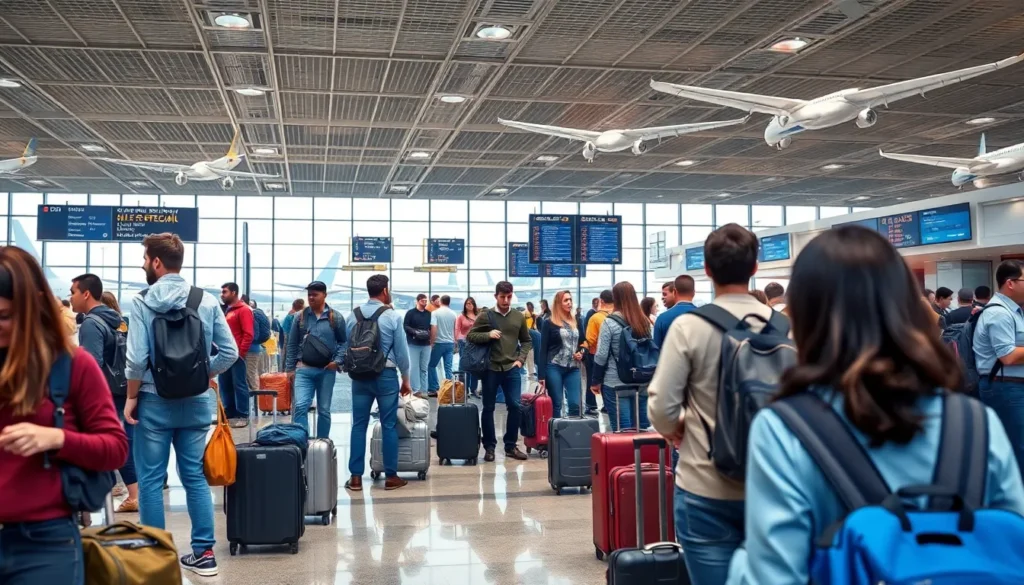
Multiple elements influence travel efficiency, making it crucial for travelers to consider specific factors that can either enhance or hinder their overall experiences.
Transportation Options
Diverse transportation options significantly impact travel efficiency. Air travel, trains, buses, and rideshare services each offer varying levels of speed, convenience, and cost.
- Air Travel: Fastest for long distances, but involves time for check-ins and security.
- Trains: Convenient for mid-range journeys, providing comfort and scenic views without the hassle of security.
- Buses: Generally the most economical choice, but may require longer travel times and multiple stops.
- Rideshare Services: Provide flexible options for local travel, but surge pricing can affect costs.
Travelers should assess each option’s advantages and disadvantages based on their itinerary needs and budget constraints.
Route Planning
Effective route planning fosters greater travel efficiency. Careful consideration of routes can save time and reduce travel-related stress.
- Destination Proximity: Selecting nearby attractions limits travel time between points of interest.
- Traffic Conditions: Using real-time traffic apps helps avoid congested areas and delays.
- Timing of Travel: Traveling during off-peak hours minimizes time spent in traffic.
- Multi-Destination Itineraries: Grouping nearby activities into one trip maximizes time and reduces unnecessary backtracking.
Strategic route planning equips travelers to make the most of their time at each destination, enabling a richer exploration experience.
Strategies to Improve Travel Efficiency
Travel efficiency can significantly enhance the overall experience of trips. Implementing specific strategies maximizes enjoyment and minimizes wasted time.
Leveraging Technology
Utilizing apps and digital tools streamlines various aspects of travel. Navigation apps provide real-time traffic updates and efficient route options. Booking platforms enable instant reservation management for accommodations and activities. Communication tools allow for easy coordination with travel companions and locals. By employing technology, travelers can quickly adapt plans based on changing circumstances, keep track of itineraries, and gain access to valuable insights and reviews.
Planning and Preparation
Effective planning lays the foundation for efficient travel. Travelers should map out itineraries that balance exploration with rest periods. Researching accommodations in advance helps ensure proximity to attractions, minimizing travel time. Organizing necessary documents, such as passports and tickets, reduces last-minute stress. Setting reminders for important tasks keeps travelers on track. A well-thought-out packing list ensures essential items are included while avoiding excess baggage. Prioritizing these preparations allows for smoother transitions between activities while maximizing enjoyment during the trip.
Measuring Travel Efficiency
Measuring travel efficiency involves understanding how well a trip maximizes enjoyment while minimizing wasted time and resources. Evaluating key performance indicators (KPIs) and utilizing effective tools improves the overall travel experience.
Key Performance Indicators (KPIs)
- Time Utilization: Measures the percentage of time spent on planned activities versus downtime. Higher percentages indicate better efficiency.
- Cost per Experience: Evaluates the amount spent relative to experiences gained. A lower cost per experience suggests efficient resource use.
- Satisfaction Ratings: Gathers traveler feedback on various aspects such as accommodations, activities, and transportation. High satisfaction ratings correlate with effective planning and enjoyment.
- Logistical Ease: Assesses how smoothly transitions between activities and destinations occur. Fewer disruptions indicate higher travel efficiency.
- Activity Density: Quantifies the number of activities completed within a specific timeframe. A higher activity density often reflects well-organized itineraries.
Tools and Applications
- Navigation Apps: Provide real-time traffic updates that help avoid delays and optimize routes.
- Trip Planning Software: Assists in creating balanced itineraries, helping manage activities and downtime efficiently.
- Booking Platforms: Enable quick access to accommodations and transportation options, accommodating last-minute changes seamlessly.
- Expense Tracking Apps: Facilitate real-time budgeting to monitor spending and maximize cost efficiency throughout the trip.
- Collaboration Tools: Support coordination between travel companions, enhance communication, and streamline decision-making regarding activities and schedules.
Effective measurement of travel efficiency through KPIs and the use of digital tools leads to better-planned trips and more satisfying experiences.
Travel efficiency is essential for creating memorable experiences in today’s fast-paced world. By prioritizing effective planning and leveraging technology travelers can transform their journeys into seamless adventures. The right strategies not only save time but also enhance enjoyment allowing for richer exploration without the stress of logistics.
As travelers embrace these principles they’ll find that the balance between activity and downtime leads to more fulfilling trips. Ultimately it’s about making the most of every moment whether on a quick getaway or an extended journey. With a focus on efficiency travelers can navigate their adventures with confidence and ease.


