

In a world where privacy feels like a myth, the question looms: can an iPhone be bugged? Picture this—you’re chatting away, blissfully unaware that someone might be eavesdropping on your every word. It sounds like the plot of a spy thriller, but the reality is a lot closer to home than most realize.
Understanding iPhone Security
iPhone security focuses on protecting user data from unauthorized access. Apple incorporates multiple security features, including encryption and regular software updates, to safeguard devices. Encryption makes the data unreadable to anyone without the correct authorization.
Regular updates patch known vulnerabilities, reducing the likelihood of exploitation. Users can activate two-factor authentication for an added layer of security, requiring a secondary verification step during logins. Additionally, secure boot chains ensure that only trusted operating systems run on the device.
Apps can also pose security risks. Developers must adhere to strict guidelines in Apple’s App Store, but malicious apps can still find their way onto devices through third-party sources. Awareness of app permissions remains vital, as apps often request access to sensitive information such as location, contacts, and microphone.
Monitoring for unusual behavior helps maintain security. Users should look out for unexpected battery drain or unfamiliar apps. Regularly reviewing device settings strengthens privacy, ensuring that features like location tracking and microphone access align with user preferences.
While these measures enhance security, tempting social engineering attacks can bypass them. Individuals should remain cautious of unsolicited calls or messages requesting personal information. Trusting well-known sources and ensuring proper verification processes keeps data secure.
Increased awareness and proactive measures work together to protect devices. Prioritizing knowledge about security vulnerabilities can make a significant difference in keeping data safe on iPhones. Being informed leads to better decision-making concerning device security.
Common Methods of Bugging an iPhone
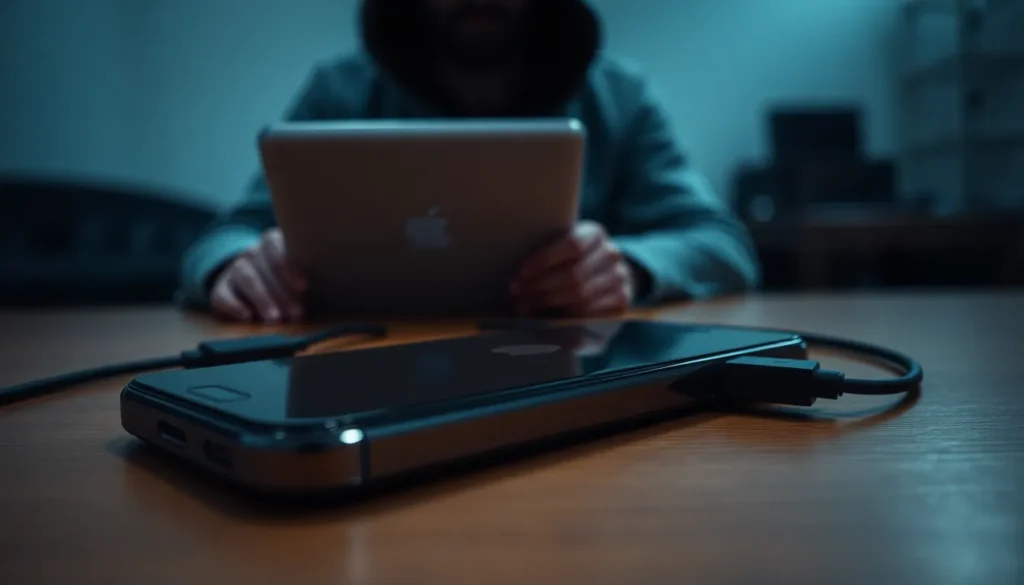
Bugging an iPhone occurs through various methods, primarily categorized under physical and remote access.
Physical Access
Direct physical access to the iPhone presents a significant vulnerability. An unauthorized individual can install spyware or other monitoring software within minutes. Often, this involves connecting the device to a computer using a USB cable. Once access is gained, malicious software can be installed covertly. Some users leave their devices unattended, creating opportunities for snooping. Additionally, malicious hardware such as keyloggers might be placed on the device. Even seemingly harmless apps can be modified to track user activities if granted access.
Remote Access
Remote access techniques exploit vulnerabilities in software or network connections. Hackers may use phishing tactics, tricking users into revealing personal information or installing spyware. If a user clicks on a malicious link, attackers can gain remote control over the iPhone. Wi-Fi connections also present risks; unsecured networks can allow hackers to intercept data and install unauthorized software. Some sophisticated methods utilize specialized tools that exploit zero-day vulnerabilities. These attacks can occur without the user’s awareness, capturing sensitive information seamlessly.
Signs That Your iPhone May Be Bugged
Monitoring device behavior is essential for detecting potential security threats. Several signs may indicate that an iPhone is compromised.
Unusual Battery Drain
Experiencing rapid battery depletion could signal spyware activity. Apps running in the background often consume additional power, particularly if they monitor data continuously. Regularly observing battery usage in settings can reveal any suspicious applications. It’s crucial to investigate any app that unexpectedly consumes significant power, as this might point to unauthorized access. Also, frequent charging might suggest that the phone’s processes are working overtime.
Unexplained Data Usage
Noticing an uptick in data usage without a clear reason raises red flags. Unwanted applications could consume data to transmit personal information to external servers. Users should review their data statistics effectively, focusing on unusual increases in mobile data consumption. Investigating unknown apps that escalate data usage can prevent further security breaches. App permissions can sometimes allow unauthorized data access too.
Steps to Protect Your iPhone
Protecting an iPhone from potential bugs requires proactive measures and a keen understanding of the device’s features.
Regular Software Updates
Regular software updates play a key role in maintaining iPhone security. Each update from Apple includes important patches that fix known vulnerabilities, reducing the risk of unauthorized access. Users should enable automatic updates to ensure they receive these patches promptly. Checking for updates is simple; one can access the settings and look for software updates under General. Additionally, updating apps frequently ensures that any security enhancements from developers are also in place. Staying current with the latest software builds significantly enhances defenses against potential threats.
Security Settings Adjustments
Adjusting security settings can further fortify an iPhone against bugs. Users should activate features like two-factor authentication, as it adds an extra layer of protection to Apple ID accounts. Turning off location services for non-essential apps limits the amount of personal data shared with third parties. Notifications should also be reviewed to control what information apps can access, helping protect sensitive content. It’s wise to disable Bluetooth when it’s not needed, as this can prevent unauthorized connections. Regularly reviewing privacy settings empowers users to maintain control over their data and reduces vulnerability.
The potential for an iPhone to be bugged raises significant privacy concerns that users must take seriously. By understanding the risks and implementing proactive security measures, individuals can better protect their personal information. Regular software updates and careful monitoring of app permissions are essential steps in maintaining device integrity.
Staying vigilant against unusual activity can help users identify potential threats before they escalate. With the right precautions in place, it’s possible to enjoy the benefits of technology while safeguarding privacy in an increasingly connected world.


